
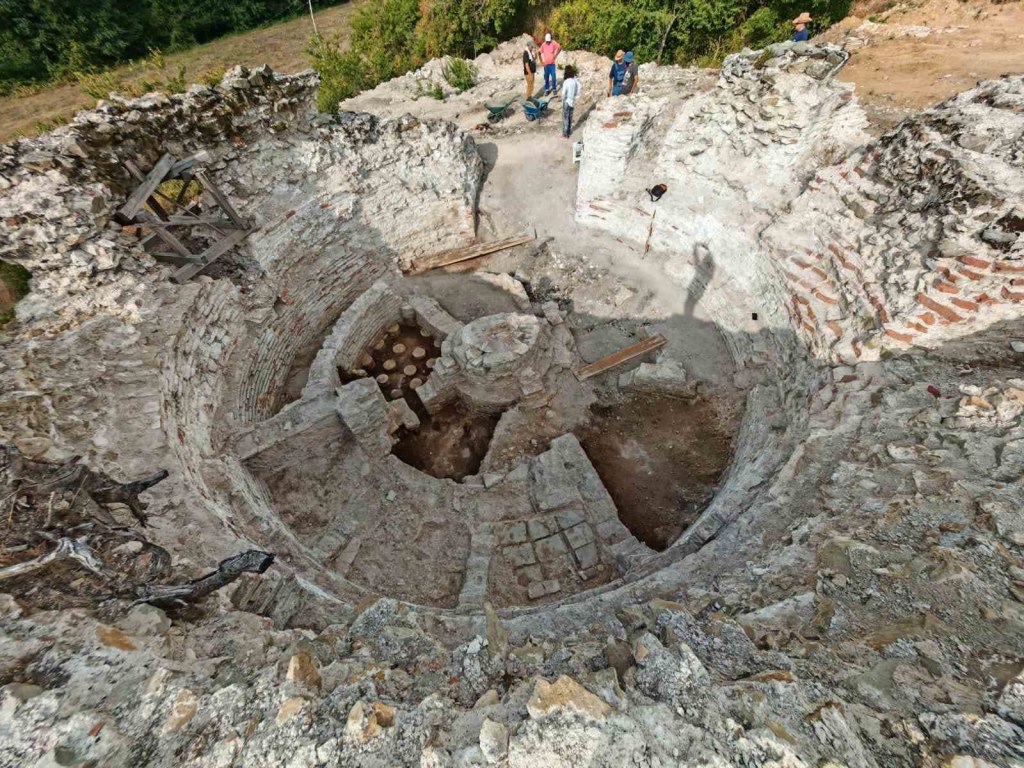
Excavations of the fortified tetrarchic palace at the site of Vrelo–Šarkamen, in eastern Serbia, have uncovered an unusual private bathing suite within the imperial residence.
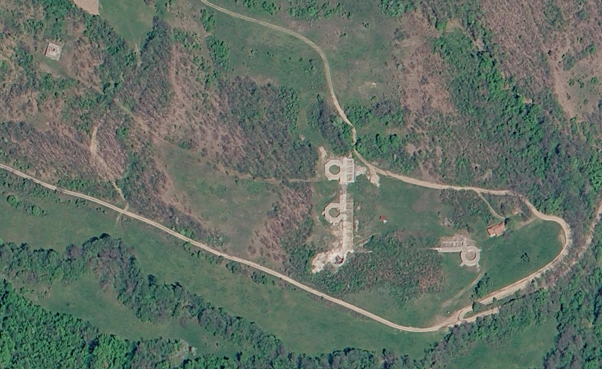
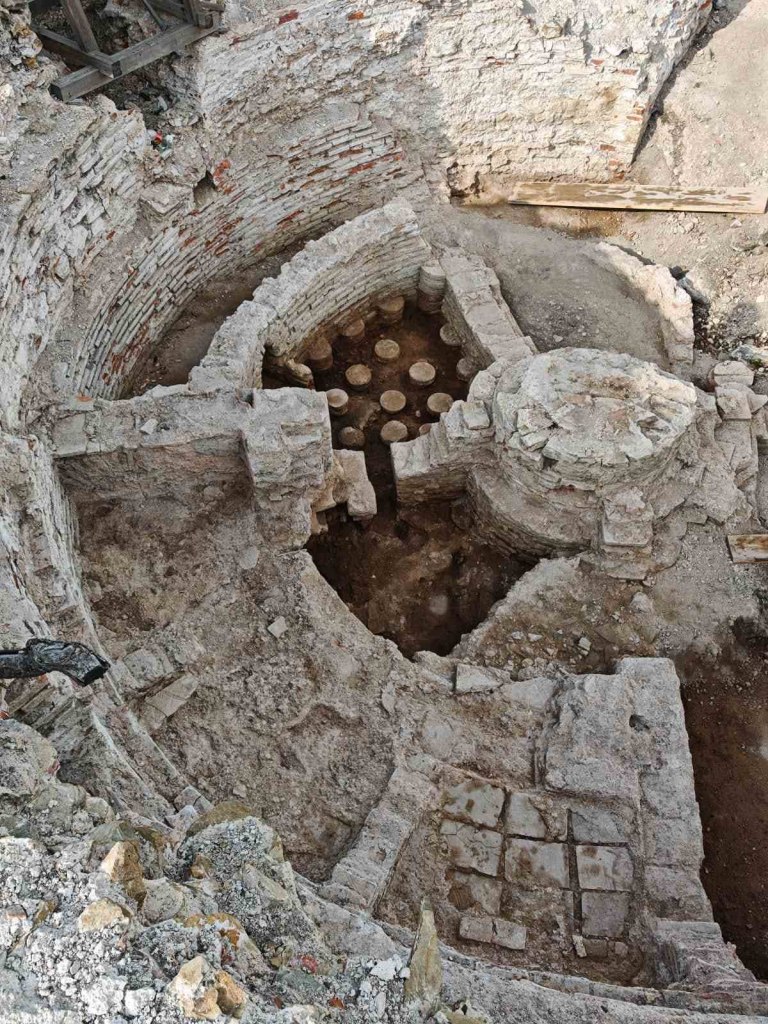
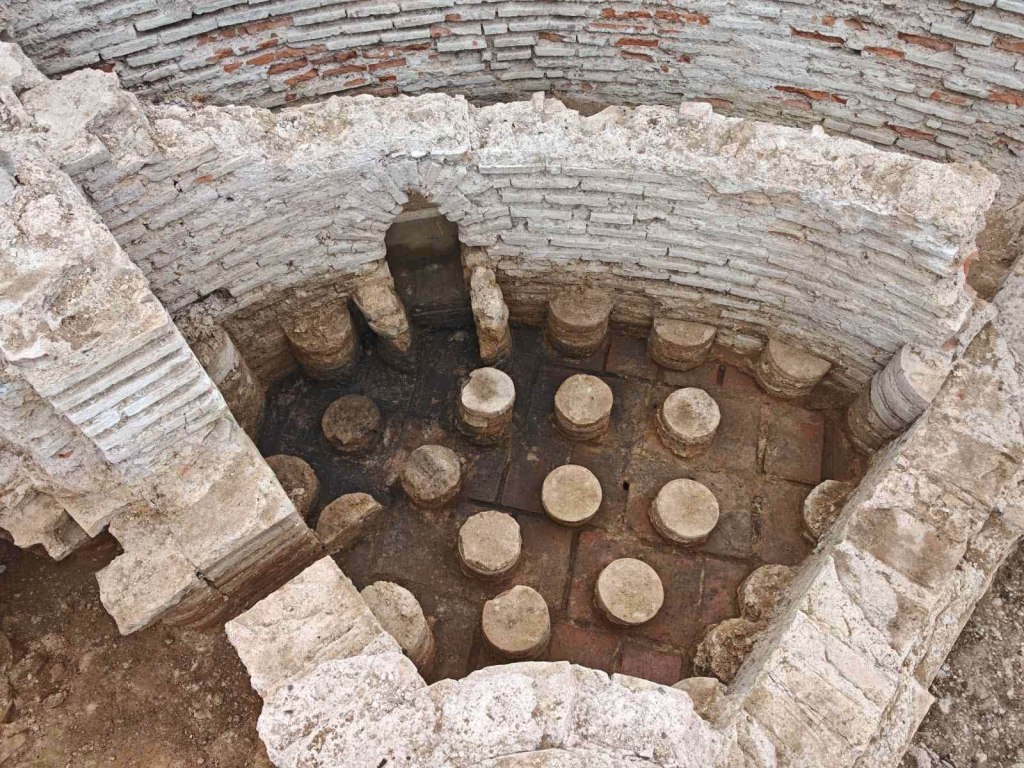
The baths were installed on the lower level of the palace’s southwestern corner tower and consequently adopted a circular plan that followed the shape of the tower. The bathing area was laid out as an inner ring at the centre of the tower and included at least three heated immersion pools and one steam room. The service area, from which the furnaces were operated, formed an outer ring around the bathing rooms. The structure was built predominantly in brick-faced concrete. One furnace and the hypocaust system made of circular pilae set on an area of rectangular tiles are preserved, as is a setting for a metal boiler. There appear to have been two entrances, one connecting to a paved corridor inside the compound, the other leading directly to the service area from the outside.
The site, dated to the early fourth century AD, has been associated with the emperor Maximinus Daza (310–313). In addition to the fortified residence, it also included a mausoleum and structures for public display, a tumulus, a granary, and brick kilns. An earlier excavation report on the palace and neighbouring structures is available online.
Sources: Музеј Крајине 2026, Facebook post dated 03 Sept 2026; Tomović M., I. Popović et al. 2005, Šarkamen (eastern Serbia): A tetrarchic imperial palace. The memorial complex, Belgrade (available on academia.edu)
Pictures credits: Google Maps; Музеј Крајине 2026
 BATH – BAlnea & THermae
Leave a comment